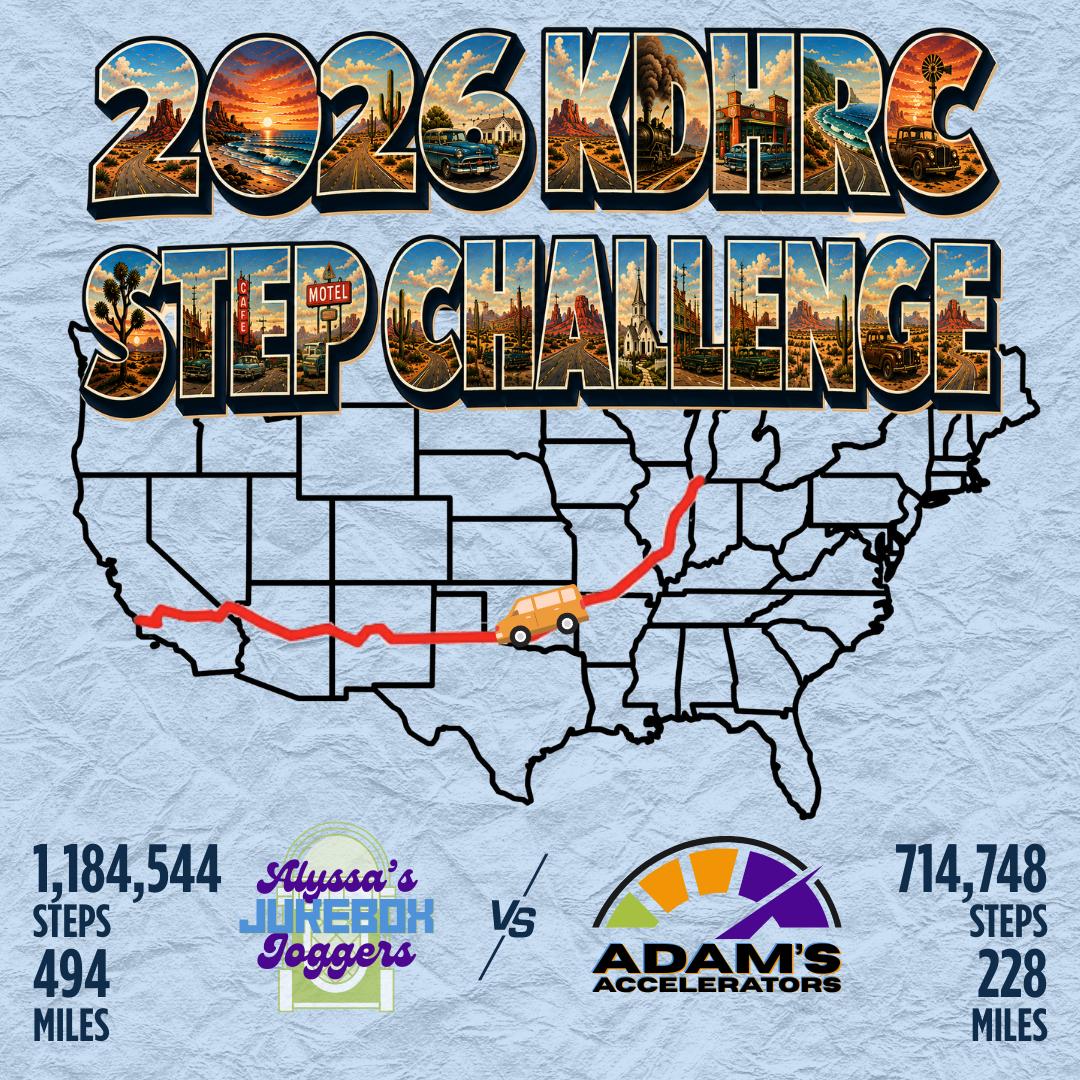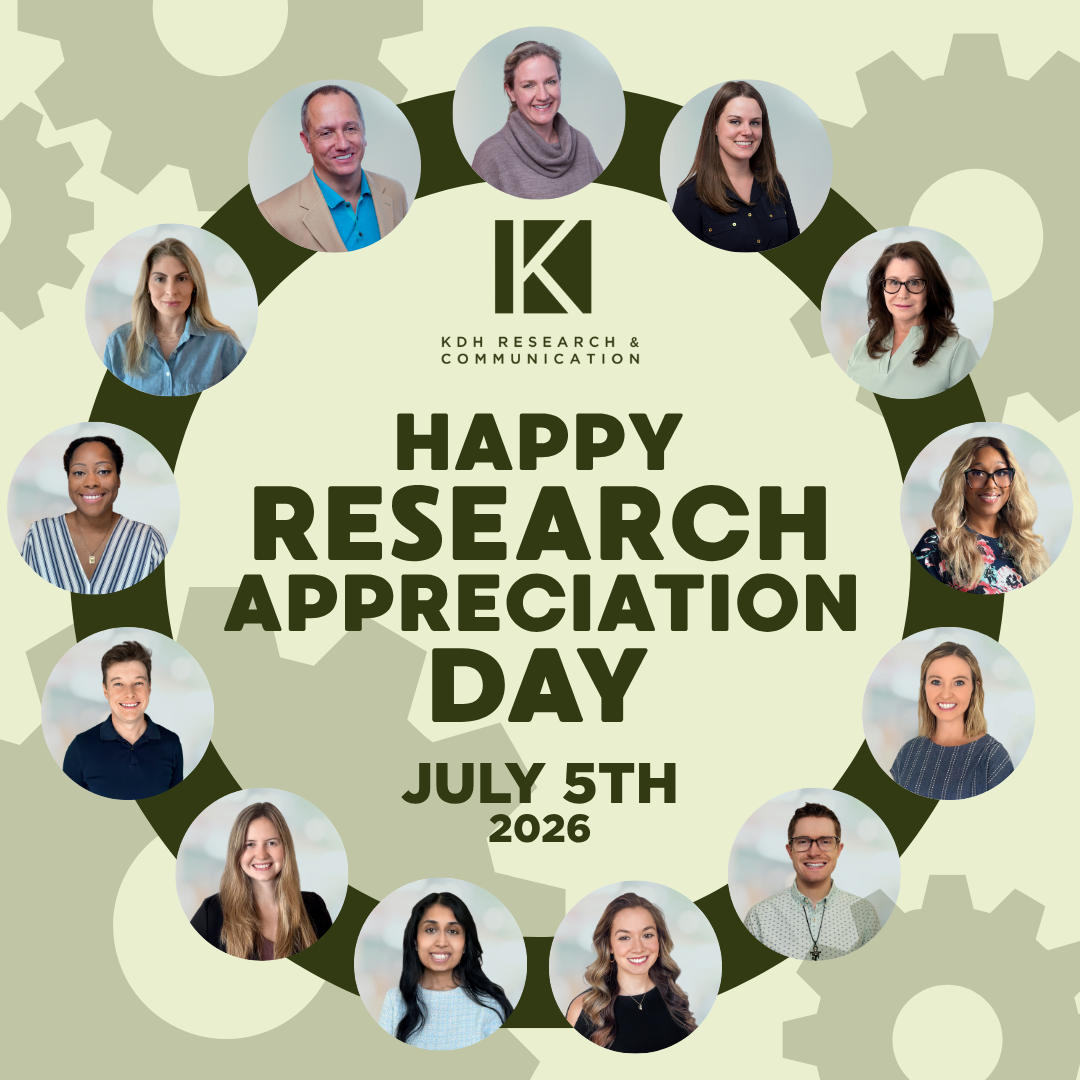
The KDHRC Step Challenge has wrapped up, and it is time to announce a winner!…
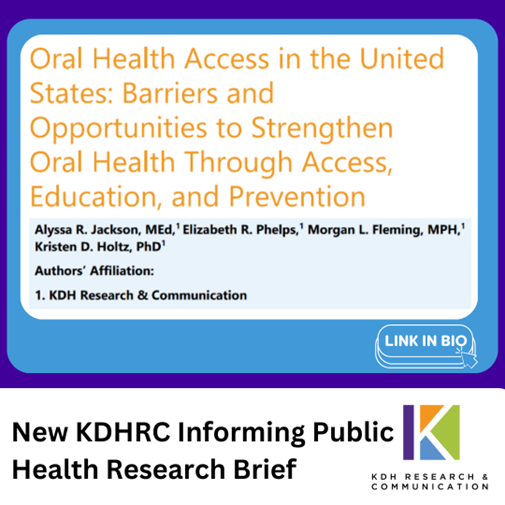
New Research Brief: Oral Health Access in the United States: Barriers and Opportunities to Strengthen Oral Health Through Access, Education, and Prevention
Oral health care is more than cosmetic smiles and routine cleanings; for many, it is about pain management, preventing infections, and ensuring children can eat, speak, and learn comfortably. Our newest research brief, “Oral Health Access in the United States: Barriers and Opportunities to Strengthen Oral Health Through Access, Education, and Prevention,” examines the barriers to accessing oral health care and highlights how community health worker (CHW) training programs can help reduce persistent gaps—specifically for children, adolescents, and underserved populations.
Modern dentistry has transformed what is possible for oral health; however, many children and adults still experience preventable disease because they cannot access timely, affordable care. In low-income households, 17% of children aged 2-5 have untreated tooth decay, a rate three times higher than that of higher-income families. Similarly, 23% of adolescents from low-income families have untreated decay in their permanent teeth, which is double the rate observed in higher-income youth. These disparities may have deeper complications than expected, as poor oral health has been linked to chronic conditions such as diabetes, heart disease, and respiratory illness.
Addressing oral health disparities requires strategies that extend into communities most affected, where CHWs are uniquely positioned to make an impact. KDH Research & Communication equips CHWs with accessible, evidence-based oral health education through professional development programs like Guardians Receiving Information through Navigators (GRIN).
Read our full research brief here: Oral Health Access in the United States: Barriers and Opportunities to Strengthen Oral Health Through Access, Education, and Prevention

Related Posts